Hebrew
  English
  French
  German
  Spanish
  Portuguese
  Dutch
Dutch  Italian
  Russian
  Chinese
  Japanese
  Korean
  Indonesian
  Thai
Thai  Vietnamese
  Arabic
  Turkish
  Hindi
Hindi 

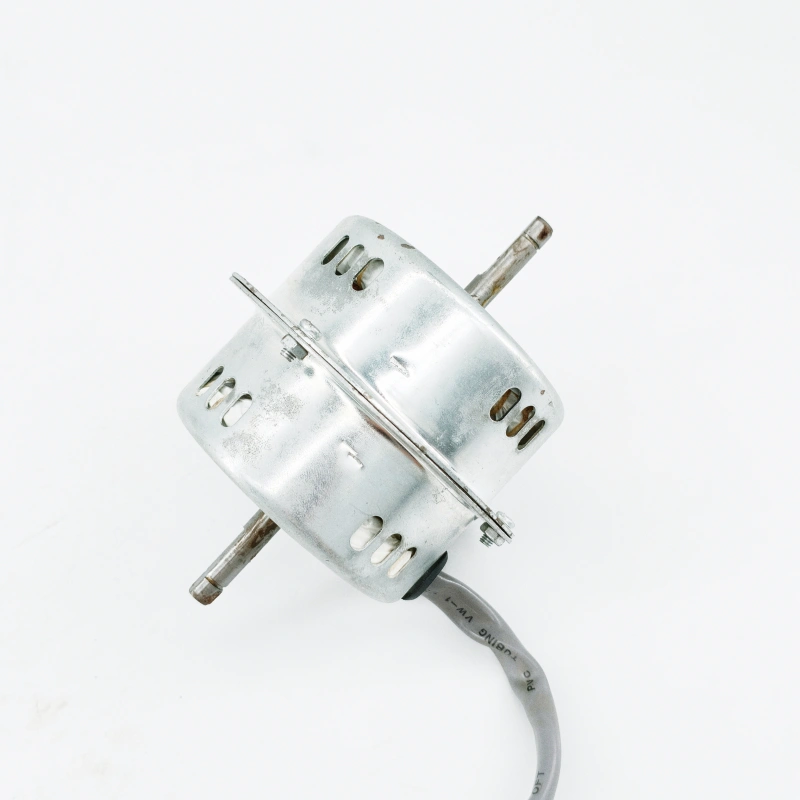
הסיבה לכך שמנועים יכולים להחליף מנועי דלק ולהפוך למקור הכוח המרכזי של כלי רכב חשמליים חדשים טמונה ביתרונותיהם המקיפים ביעילות המרת אנרגיה, מאפייני תפוקת הכוח, תכונות הגנת הסביבה, כמו גם יכולת ההסתגלות הגבוהה שלהם למערכת אספקת האנרגיה של כלי רכב חשמליים. יתרונות אלה נובעים מעקרונות העבודה השונים באופן מובהק בין מנועים למנועי דלק, ומשתקפים גם במאפיינים הטכניים שלהם העונים על צרכי הנסיעה המודרנית.
א. הבדל מהותי: עקרון העבודה קובע את פער הליבה
מבחינת עקרונות העבודה, קיים הבדל מהותי בין מנועים למנועי דלק. מנועי דלק מסתמכים על מחזור מכני של "עבודת בעירה": הם שואבים תערובת של דלק ואוויר, מציתים ושורפים אותה בצילינדר כדי לייצר גז בלחץ גבוה שדוחף את הבוכנה, ולאחר מכן מעבירים כוח לגלגלים דרך מבנים מכניים מורכבים כמו גל ארכובה ותיבת הילוכים. בתהליך זה, אנרגיה כימית מומרת תחילה לאנרגיה תרמית, ולאחר מכן לאנרגיה מכנית, וכתוצאה מכך אובדן אנרגיה גדול. יתר על כן, מורכבות המבנה המכני מובילה ליעילות העברת הכוח נמוכה. עקרון העבודה של מנועים, לעומת זאת, מבוסס על חוק האינדוקציה האלקטרומגנטית. עם אנרגיה חשמלית המסופקת על ידי סוללת החשמל המובנה, הזרם יוצר שדה מגנטי מסתובב בסלילי הסטטור. האינטראקציה בין שדה מגנטי זה לבין המגנטים הקבועים או הזרם המושרה של הרוטור מייצרת מומנט, אשר מניע ישירות את הגלגלים לסיבוב. נתיב המרת האנרגיה שלו הוא המרה ישירה של "אנרגיה חשמלית-אנרגיה מכנית", מבטלת קשרים מכניים ביניים מורכבים ומשפרת באופן מהותי את יעילות ניצול האנרגיה.
II. יתרון מרכזי 1: קפיצת מדרגה איכותית ביעילות המרת אנרגיה
ההבדל העצום ביעילות המרת האנרגיה הוא הסיבה העיקרית לכך שמנועים הופכים למקור הכוח העיקרי. היעילות התרמית של מנועי דלק מסורתיים נעה בדרך כלל בין 20% ל-40%, כלומר רוב אנרגיית הדלק מבוזבזת כחום במערכות הפליטה והקירור. לעומת זאת, יעילותם של מנועי הנעה לרכב יכולה בדרך כלל להגיע ל-85% עד 95%, וחלק מהמנועים הסינכרוניים בעלי מגנט קבוע מתקדמים יכולים אף לשמור על יעילות של מעל 90% ביציבות. משמעות הדבר היא שעם אותה קלט אנרגיה, מנועים יכולים להפיק יותר כוח, דבר המשתקף ישירות ביתרון הטווח של כלי רכב בעלי אנרגיה חדשה. כאשר קיבולת סוללת החשמל זהה, מנועים בעלי יעילות גבוהה יכולים להאריך משמעותית את טווח הרכב ולפתור את "חרדת הטווח" של המשתמשים.
ג. יתרון מרכזי 2: מאפייני תפוקת הכוח עונים על צרכי הנהיגה
מאפייני תפוקת ההספק המצוינים של מנועים מאפשרים להם להשיג "מכה של הפחתת ממד" כנגד מנועי דלק מבחינת חוויית הנהיגה. למנועי דלק יש בעיה של "השהיית הספק" - הם צריכים להגיע למהירות מסוימת כדי להפיק מומנט מקסימלי. בעת התנעה או האצה, הם לעתים קרובות צריכים להגביר את המהירות, וכתוצאה מכך ההספק לא מגיב. עם זאת, מנועים יכולים להפיק מומנט מקסימלי מרגע ההתנעה. תכונת "אפס השהייה" זו גורמת לרכבי אנרגיה חדשים להתניע במהירות ולהאיץ בצורה חלקה, ומספקת משוב הספק גמיש יותר בין אם עוקבים אחר מכוניות בכבישים עירוניים עמוסים או עוקפים בכבישים מהירים. בנוסף, למנועים יש טווח ויסות מהירות רחב במיוחד, שיכול לכסות בקלות את כל תנאי העבודה ממהירות נמוכה למהירות גבוהה. הם אינם דורשים את תיבת ההילוכים מרובת המהירות המורכבת של רכבי דלק, ויכולים להעביר הספק רק דרך מפחית מהירות יחיד, מה שמפשט עוד יותר את מבנה מערכת החשמל ומפחית את הסיכון לכשלים מכניים.
IV. יתרון ליבה 3: הגנת הסביבה והסתגלות אנרגטית מובילים את העתיד
הגנת הסביבה ויכולת הסתגלות אנרגטית הן יתרונות מרכזיים נוספים שהופכים מנועים למתאימים להתפתחות התחבורה העתידית. מנועי דלק שורפים בנזין או סולר כדי לייצר מזהמים כגון פחמן דו-חמצני ותחמוצות חנקן, שהם המקורות העיקריים לפליטות גזי פליטה מכלי רכב. לעומת זאת, מנועים אינם מייצרים פליטות פליטה במהלך הפעולה, מה שמשיג באמת "אפס פליטות" ותורם למטרה של ניטרליות פחמן מהקישור הסופי. יחד עם זאת, מקור האנרגיה של המנועים גמיש ביותר. ניתן לטעון אותם מחדש באמצעות ייצור חשמל מאנרגיה נקייה כגון אנרגיות פוטו-וולטאיות, אנרגיית רוח ואנרגיית מים, ויוצרים מערכת מחזור ירוק של "אנרגיה נקייה-אנרגיה חשמלית-כוח". עם זאת, מנועי דלק תלויים במידה רבה במשאבי נפט שאינם מתחדשים.
V. איטרציה טכנולוגית: תמיכה מרכזית לביסוס עמדת הליבה
ראוי לציין כי האיטרציה הטכנולוגית של מנועי רכב ביססה עוד יותר את מעמדם המרכזי. מנועי מגנט קבוע סינכרוניים של ימינו משתמשים בחומרים בעלי מגנט קבוע נדיר, אשר מפחיתים מאוד את נפחם ומשקלם תוך השגת צפיפות הספק וצפיפות מומנט גבוהות יותר, ומתאימים באופן מושלם לשטח ההתקנה המוגבל של כלי רכב. לעומת זאת, מנועים אסינכרוניים נמצאים בשימוש נרחב בתחומים מסוימים של רכב מסחרי בשל המבנה הפשוט והעלות הנמוכה שלהם. בנוסף, שדרוג חכם של יחידות בקרת מנועים (MCU) יכול להתאים את הספק המוצא ומהירות המנועים בזמן אמת בהתאם לתנאי הנהיגה, ולהשיג איזון מדויק בין צריכת חשמל לאנרגיה.
לסיכום, עם המרת אנרגיה יעילה, מאפייני הספק מצוינים, מצב עבודה ידידותי לסביבה ויכולת הסתגלות גבוהה למערכת האנרגיה החדשה, המנוע הפך למקור כוח ליבה שאין לו תחליף עבור כלי רכב בעלי אנרגיה חדשה. דווקא יתרונות אלה הם שמניעים את תעשיית הרכב להאיץ את המעבר שלה מ"עידן הדלק" ל"עידן החשמל".