Hebrew
  English
  French
  German
  Spanish
  Portuguese
  Dutch
Dutch  Italian
  Russian
  Chinese
  Japanese
  Korean
  Indonesian
  Thai
Thai  Vietnamese
  Arabic
  Turkish
  Hindi
Hindi 

There are both types, but AC motors make up the vast majority.
1、 Why do household appliances mainly use AC motors?
Because the household’s power supply is AC power (220V/50Hz in China).
For electrical appliances with high power, simple structure, and no need for frequent speed regulation, using AC motors directly is the most economical and reliable choice.
Common types and applications of AC motors:
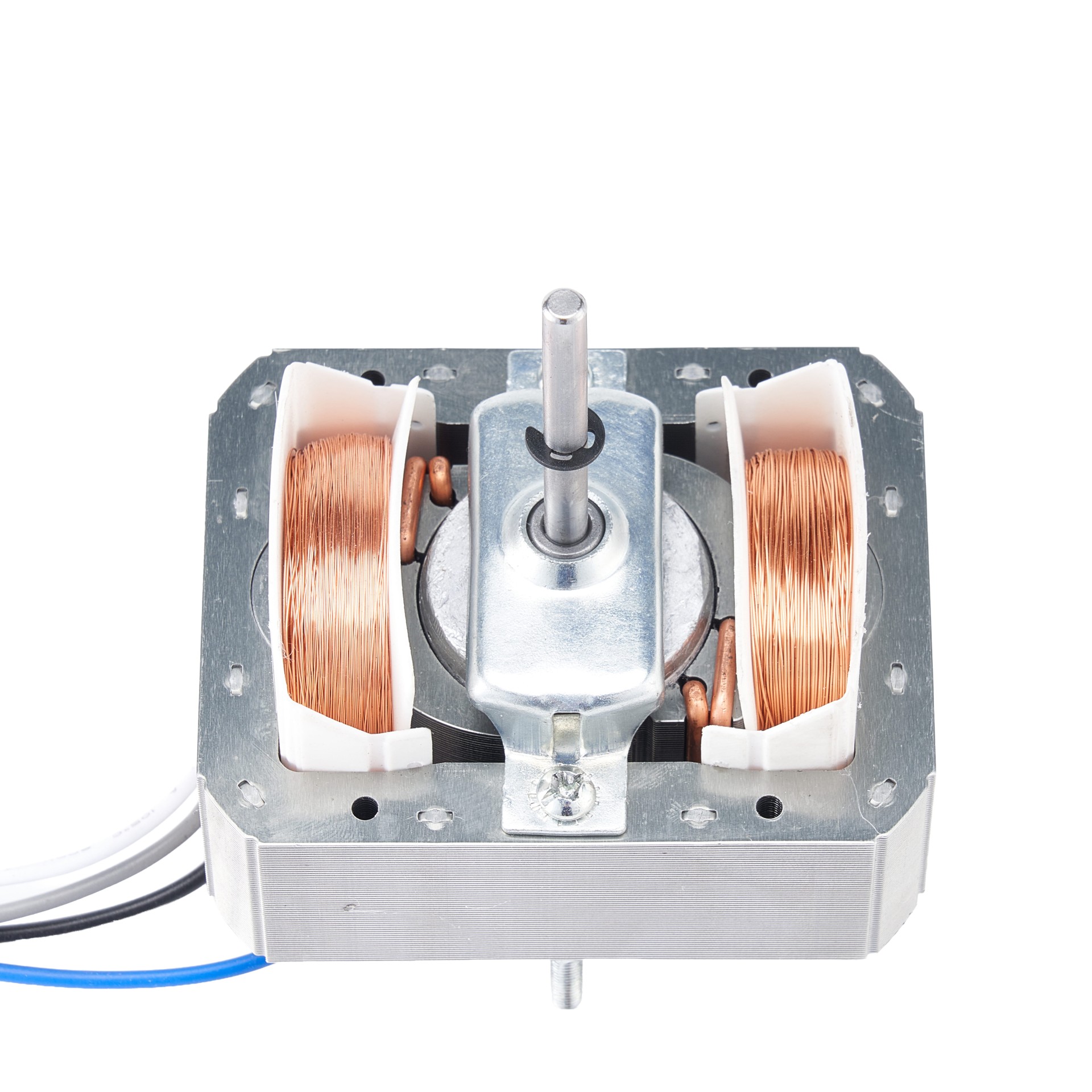
Asynchronous induction motor:
Features: Extremely simple structure, sturdy and durable, low cost, and easy maintenance.
Applications: refrigerators, air conditioners (compressors), washing machines (drive motors for pulsars and drums), electric fans, range hoods, kitchen mixers, etc.
This is the most widely used motor in household appliances.
Single phase series excited motor:
Features: High speed, large starting torque, and can be used for both AC and DC (universal motors).
Application: Handheld vacuum cleaners, wall breakers, juicers, hair dryers, and other devices that require high rotational speed.
2、 Application of DC motors in households
DC motors require a DC power supply to drive.
With the development of electronic technology and battery technology, the advantages of DC motors are becoming increasingly apparent.
Common types and applications of DC motors:
Brushed DC motor:
Features: Simple structure, low cost, convenient speed regulation, but with brush wear, sparks, and relatively short lifespan.
Application: Some old-fashioned or low-end electric toys, razors, small fans, etc.
Now it is gradually being replaced by brushless motors.
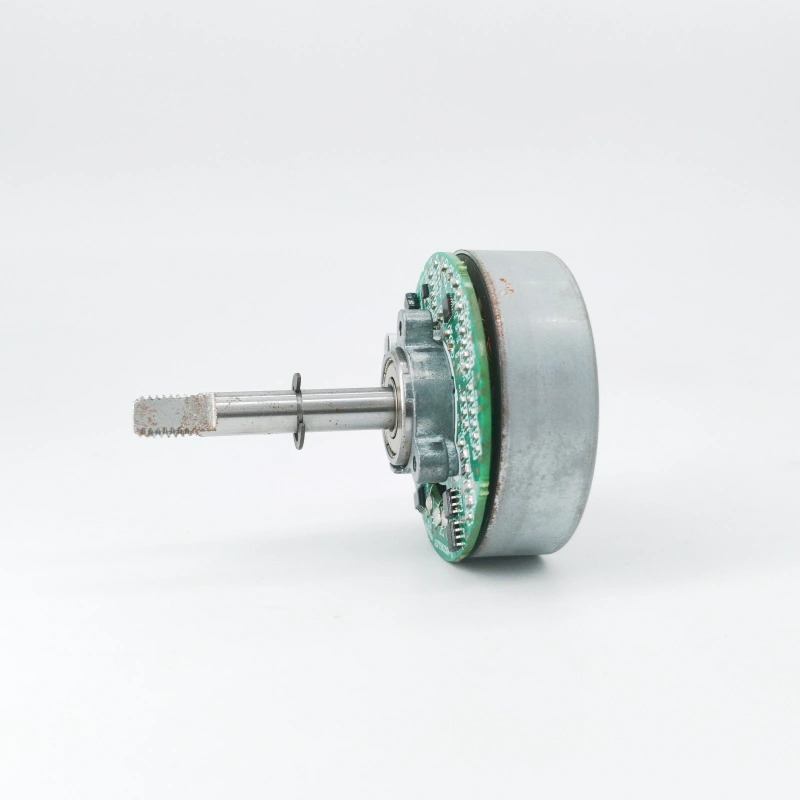
DC brushless motor:
Characteristics: Current mainstream and trends.
Extremely high efficiency, low noise, long lifespan, precise control, and no brush wear.
But it requires a complex electronic controller (ESC).
Application:
The core of variable frequency household appliances: variable frequency air conditioners, variable frequency refrigerators, and variable frequency washing machines. The core is the DC brushless motor, which converts AC power into DC through a frequency converter and controls the motor to achieve energy saving, noise reduction, and precise temperature control/speed regulation.
Intelligent devices: robotic vacuum cleaners, drones, silent fans.
Computers and electronic products: computer fans, hard drive spindle motors.
High end tools: DC brushless drill, angle grinder, etc.