French
  English
  German
  Spanish
  Portuguese
  Dutch
Dutch  Italian
  Russian
  Chinese
  Japanese
  Korean
  Indonesian
  Thai
Thai  Vietnamese
  Arabic
  Turkish
  Hebrew
  Hindi
Hindi 

Après avoir utilisé un ventilateur pendant une période de temps, il connaît souvent une diminution significative de la vitesse, une force de soufflage d'air affaiblie et accompagnée d'une augmentation du bruit de fonctionnement. Quelles sont les principales causes de ce phénomène ? Comment le résoudre et le prévenir de manière ciblée ?
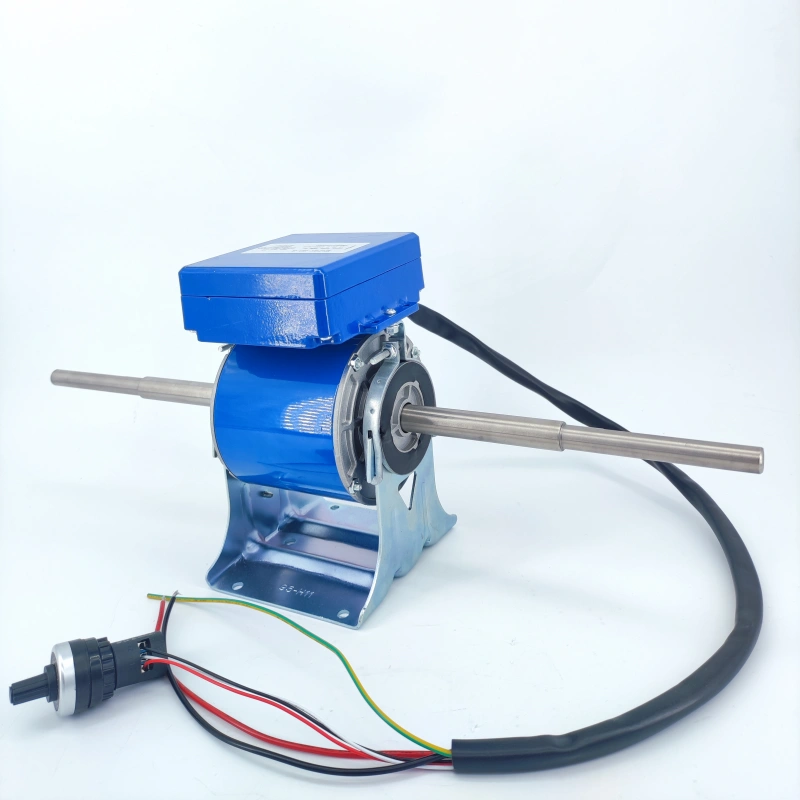
En tant que composant de puissance de base d'un ventilateur, l'état de fonctionnement du moteur du ventilateur détermine directement les performances du ventilateur. Le phénomène combiné de "vitesse diminuée + bruit accru" est essentiellement causé par une résistance de fonctionnement accrue du moteur, une efficacité de puissance réduite et une vibration intensifiée due à l'usure ou à l'écart d'ajustement du composant. Plus précisément, il peut être divisé en trois raisons principales, avec des solutions correspondantes et des mesures préventives comme suit:
I. Analyse des causes fondamentales
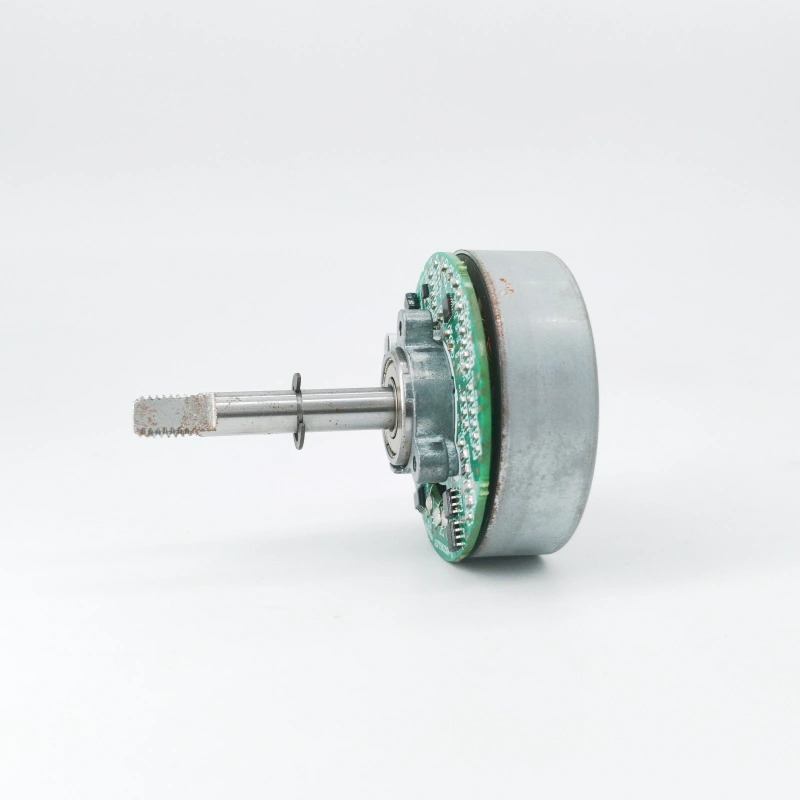
1. Usée des roulements de moteur ou défaillance de lubrification (raison la plus courante): Le rotor du moteur de ventilateur est soutenu par des roulements de rotation. Que ce soit un roulement traditionnel imprégné d'huile ou un roulement à billes, le fonctionnement à long terme entraînera la consommation et le vieillissement de l'huile lubrifiante interne ou l'usure du roulement due à l'entrée de poussière. Lorsque la lubrification est insuffisante, la force de frottement de la rotation du rotor augmentera considérablement. Le moteur doit consommer plus d'énergie électrique pour surmonter la résistance, ce qui entraîne une diminution de la vitesse de sortie réelle. Dans le même temps, l'espace interne du palier usé devient plus grand, et le rotor produira des vibrations excentriques lors de la rotation, ce qui provoque à son tour un bruit évident de "buzzing" ou de frottement. Le bruit augmentera avec l'aggravation de l'usure.
2. vieillissement ou court-circuit local des enroulements de moteur: L'enroulement du moteur est le composant central qui génère un couple électromagnétique. Il est fait d'enroulement de fil de cuivre et enveloppé d'une couche isolante. Lors d'une utilisation à long terme, la couche isolante vieillira et se brisera en raison de la température élevée, de l'humidité ou de la fluctuation de la tension, ce qui peut conduire à un court-circuit local de l'enroulement. Après le court-circuit, le nombre de tours de l'enroulement diminue, le couple électromagnétique diminue et la puissance du moteur est insuffisante, ce qui se manifeste par une diminution de la vitesse. En même temps, le court-circuit provoquera un courant instable et le moteur produira un bruit électromagnétique anormal pendant le fonctionnement. Dans les cas graves, il peut également s'accompagner d'un chauffage du boîtier du moteur.
3. Bloquage de l'entrée/sortie d'air et de l'accumulation de poussière sur le rotor: Lorsque le ventilateur fonctionne, il doit aspirer de l'air à travers l'entrée d'air et le décharger de la sortie d'air après avoir été accéléré par les lames du ventilateur. Si elle n'est pas nettoyée pendant longtemps, la poussière, les cheveux et autres débris bloqueront l'entrée et la sortie d'air, ce qui entravera la circulation de l'air. La résistance au vent lors de la rotation des pales de ventilateur augmente, ce qui augmente indirectement la charge de fonctionnement du moteur. Dans le même temps, la poussière adhérera également au rotor du moteur, à la racine des pales de ventilateur et à d'autres pièces, détruisant l'équilibre dynamique du rotor, entraînant une vibration intensifiée lors de la rotation du rotor, ce qui non seulement réduira la vitesse mais générera également du bruit supplémentaire. En outre, une accumulation excessive de poussière peut également pénétrer dans le moteur, aggravant encore les dommages aux roulements et aux enroulements.
II. Solutions ciblées
1. Lubrification ou remplacement de roulements de réparation: Si l'on estime qu'il s'agit d'un problème de roulement (caractérisé par un bruit de frottement mécanique, et que les lames du ventilateur ne tournent pas en douceur ou ont une sensation de blocage lorsqu'elles sont tournées à la main), vous pouvez d'abord essayer de compléter la lubrification. Pour les moteurs de roulements imprégnés d'huile, vous devez d'abord déconnecter l'alimentation, démonter le boîtier du ventilateur, trouver les bouchons d'extrémité du roulement aux deux extrémités du moteur et déposer 2-3 gouttes d'huile lubrifiante spéciale pour moteur (comme l'huile de machine à coudre, l'huile d'horloge; éviter d'utiliser de l'huile comestible). Pour les moteurs à billes, vous pouvez démonter la bague d'étanchéité du roulement et appliquer une petite quantité de graisse. Si le problème n'est toujours pas résolu après avoir complété la lubrification, cela indique que le roulement est fortement usé et que le roulement du même modèle doit être remplacé.
2. Réparer ou remplacer les enroulements du moteur: Si le moteur présente un chauffage et un bruit électromagnétique évidents (son « bourdonnement » faible), et que le problème du roulement est exclu, les enroulements doivent être inspectés. Un multimètre peut être utilisé pour mesurer la résistance à l'enroulement. Si la valeur de résistance est significativement inférieure à la plage normale, cela indique un court-circuit. Étant donné que l'entretien de l'enroulement nécessite une technologie professionnelle d'enroulement et de traitement d'isolation, il est recommandé que les utilisateurs ordinaires remplacent directement le moteur du même modèle pour éviter les risques potentiels de sécurité causés par l'auto-réparation.
3. Nettoyage complet de la poussière du ventilateur: Après avoir déconnecté l'alimentation, démontez le boîtier du ventilateur et utilisez des outils tels qu'une brosse et un aspirateur pour nettoyer les débris à l'entrée et à la sortie d'air. Se concentrer sur le nettoyage de la poussière sur la surface des pales de ventilateur, la surface du rotor et la connexion entre le moteur et les pales de ventilateur. Après le nettoyage, tournez doucement les lames du ventilateur pour s'assurer qu'elles tournent en douceur sans obstruction, puis remontez le ventilateur.
III. Mesures préventives
1. Nettoyage et entretien réguliers: Il est recommandé de nettoyer complètement le ventilateur tous les 3 à 6 mois. Surtout dans les environnements avec plus de poussière et de cheveux (comme les chambres à coucher, les zones d'activité des animaux de compagnie), le cycle de nettoyage doit être raccourci pour éviter l'accumulation de poussière.
2. Supplément régulier de lubrification : Pour les moteurs de roulements imprégnés d'huile, compléter l'huile lubrifiante spéciale tous les 6 à 12 mois; pour les moteurs à billes, vérifier l'état de la graisse chaque année et compléter le cas échéant pour assurer le bon fonctionnement des roulements.
3. Normaliser l'environnement d'utilisation: Évitez de placer le ventilateur dans un environnement humide, à haute température ou poussiéreux pour éviter le vieillissement de la couche d'isolation d'enroulement et la rouille des roulements; en même temps, éviter le démarrage et l'arrêt fréquents du ventilateur pour réduire la perte d'impact lors du démarrage du moteur.
4. Tension d'alimentation stable: Lors de l'utilisation du ventilateur, assurez-vous que la tension d'alimentation est stable pour éviter les dommages aux enroulements causés par des fluctuations excessives de tension. Si la tension dans la zone est instable, un stabilisateur de tension peut être utilisé.
En résumé, la contradiction fondamentale de "vitesse diminuée + bruit accru" du ventilateur est l'augmentation de la résistance de fonctionnement du moteur et l'insuffisance de la puissance de sortie. Parmi eux, la défaillance de la lubrification des roulements et l'accumulation de poussière sont les incitations les plus courantes, qui peuvent être efficacement évitées par un nettoyage et une lubrification réguliers. Si le problème découle d'une défaillance d'enroulement, le moteur doit être remplacé à temps pour éviter l'expansion de la défaillance et les risques potentiels de sécurité.