English
  French
  German
  Spanish
  Portuguese
  Dutch
Dutch  Italian
  Russian
  Chinese
  Japanese
  Korean
  Indonesian
  Thai
Thai  Vietnamese
  Arabic
  Turkish
  Hebrew
  Hindi
Hindi 

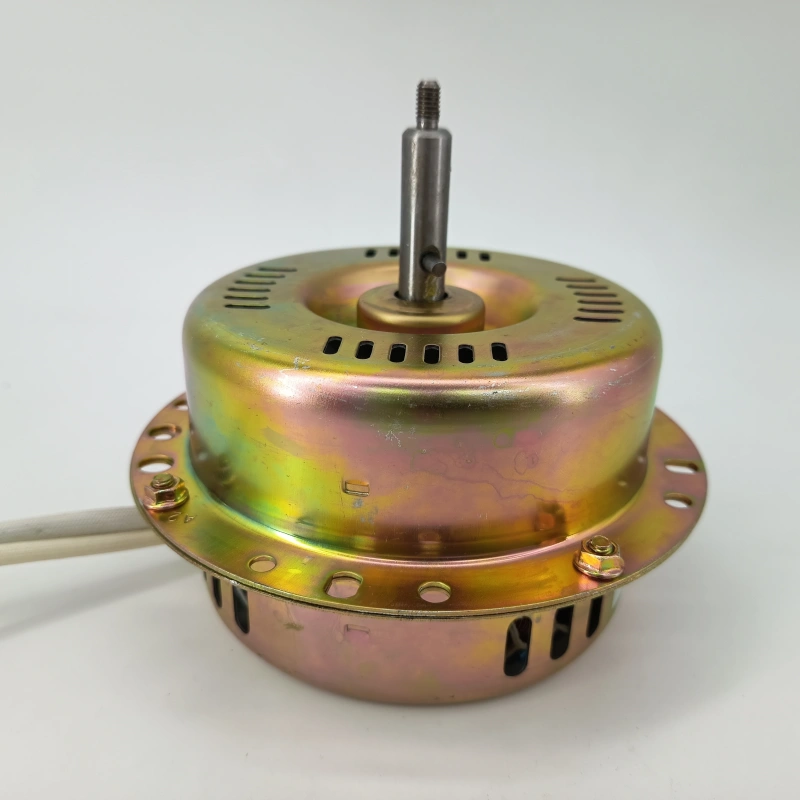
As the core component driving the rotation of the grill and the operation of the smoke exhaust system, barbecue cart motors operate in harsh working conditions of high temperature, oil fume, and humidity for a long time. Faults such as failure to start, unstable speed, and abnormal noise are mostly caused by inadequate environmental adaptation, lack of maintenance, or improper operation. Clarifying the core causes of faults and taking targeted measures can effectively improve the service life of the motor and ensure smooth operation.
I. Analysis of Core Fault Causes
1. Invasion of Oil Fume and Dust: The oil fume generated during barbecue contains a large amount of grease and carbon powder. Long-term adhesion to the motor rotor, stator windings, and bearings will cause aging of the winding insulation layer and bearing jamming, which in turn leads to failure to start or sudden drop in speed. This is the most common cause of faults in barbecue cart motors, especially in equipment that has not been regularly cleaned.
2. Impact of High-Temperature Environment: When the barbecue cart is working, the temperature around the furnace body can reach 80-150℃. If the motor insulation level is insufficient (lower than Class B), high temperature will accelerate the aging of the winding insulation and even cause short circuits; at the same time, high temperature will cause the lubricating oil inside the motor to fail, increasing bearing friction and leading to abnormal noise and unstable speed.
3. Moisture and Water Invasion: When cleaning the barbecue cart, direct flushing of the motor with water or penetration of cleaning fluid into the interior will cause short circuits of windings and rusting of bearings; in outdoor vending scenarios, dampness on rainy days will also reduce the insulation performance of the motor and trigger faults.
4. Overload and Unstable Voltage: To improve efficiency, some users place excessive food on the grill, causing the motor to operate under long-term overload; excessive voltage fluctuations of temporary power supplies or storage batteries used in mobile vending will also damage the motor windings and cause faults.
II. Targeted Fault Solutions
1. Motor Fails to Start: First, check the power connection. If the plug is loose or the power cord is damaged, replace it with a qualified power cord and ensure good plug contact; if the power supply is normal, it is likely that the bearing is stuck or the winding is short-circuited. Dismantle and inspect the motor, use a special cleaner to remove grease and carbon powder from the rotor and bearings, and add high-temperature grease to the bearings; if the windings are ablated or blackened, professional personnel should test the winding resistance and replace the windings of the same specification or directly replace the motor.
2. Unstable Speed: First, check the load, reduce the amount of food on the grill, and ensure the motor operates within the rated load; if the load is normal, check the speed control switch. If the switch has poor contact, replace it with a high-quality one; in addition, voltage fluctuations can also cause unstable speed. For mobile vending, a voltage stabilizer can be equipped to ensure the power supply voltage is stable within the rated voltage range of the motor.
3. Abnormal Motor Noise: Abnormal noise is mostly caused by bearing wear or lubricating oil failure. Dismantle and inspect the motor bearings. If the bearings are severely worn, replace them with high-temperature bearings of the same model; if the bearings are intact, remove the old grease and add lithium-based grease suitable for high-temperature working conditions; if the abnormal noise is accompanied by body vibration, check the motor fixing screws to ensure the motor is firmly installed to avoid resonance during operation.
4. Motor Overheats and Shuts Down: Stop using it immediately. After the motor cools down, check the heat dissipation. Remove grease and debris from the motor housing to ensure unobstructed heat dissipation; if the heat dissipation is normal, check the insulation level. If a motor lower than Class B is used, it is recommended to replace it with a motor of Class B or higher insulation level; at the same time, check the load to avoid overload operation.
III. Daily Preventive Measures
1. Select the Right Adaptable Motor: Prioritize motors with a protection level of IP54 or higher and an insulation level of Class B or higher. For mobile vending scenarios, select 12V DC motors and equip them with qualified storage batteries; for fixed stalls, select 220V AC motors to ensure the voltage matches the power supply method; select the rated power according to the operating scale. Small stalls select 100-300W grill motors + 500W smoke exhaust motors, and large commercial stalls select a motor combination with a total power of more than 1500W.
2. Regular Cleaning and Maintenance: After shutting down the machine every week, use a dry brush to remove grease and carbon powder from the motor housing and heat dissipation holes; dismantle and inspect the motor once a month, clean internal components, and add high-temperature grease to the bearings; when cleaning the barbecue cart, avoid direct flushing of the motor with water. Use a damp cloth to wipe the motor housing to prevent water penetration.
3. Standardized Operation and Use: Avoid overloading the grill and place food reasonably according to the rated load of the motor; check the power supply and load before starting the motor, and place food only after the motor operates normally; take rainproof and moisture-proof measures when using outdoors, and stop using and cover the motor on rainy days.
4. Ensure Power Supply Security: For fixed stalls, ensure firm power interfaces and standardized lines; for mobile stalls, equip voltage stabilizers and backup storage batteries to avoid damage to the motor caused by voltage fluctuations; regularly check the power cord and replace it in time if damage or aging is found.
In summary, most faults of barbecue cart motors are caused by improper environmental adaptation and lack of maintenance. By selecting adaptable motors, standardizing operations, and conducting regular maintenance, the incidence of faults can be greatly reduced, the service life of the motor can be prolonged, and stable operation can be ensured. If faults occur frequently and maintenance效果 is poor, it is recommended to directly replace the motor with a high-quality and adaptable one to avoid greater operational losses caused by shutdown due to faults.